
01Answer signal
Answer signal
Start from current stack
The first pass maps the tools, documents, inboxes, dashboards, and approval points already carrying the work.
Readiness path
AI and automation implementation
For teams that want follow-up, reporting, approvals, handoffs, and admin work to take less time.
Best first when the team wants more operating capacity without replacing the tools it already uses.

Short answer
Use this page when repeated follow-up, reporting, approvals, handoffs, or admin work is visible enough to improve without changing the full software stack.
AI automation connects current tools, repeatable workflows, source context, dashboards, and human approval gates so the team gets more operating capacity without replacing the stack.
Answer signal
The first pass maps the tools, documents, inboxes, dashboards, and approval points already carrying the work.
Answer signal
The right first target is visible repeated work such as follow-up, reporting, intake, routing, approvals, or status updates.
Answer signal
AI agents, drafts, and automations use source context and human review where client, financial, or strategic judgment matters.
Answer signal
The system should reduce manual time, missed handoffs, rebuild work, and management uncertainty in a way the team can see.
Operating layer
See how dashboards, agents, workflow automation, reporting, and operating memory connect across the business.
Context
See how business memory turns repeated client context, process notes, and decisions into searchable operating infrastructure.
Research
See where AI can compress market, competitor, and buyer research without losing source discipline.
Fit check
Automation should make the current team and current tools easier to use.
Handoffs
We map repeated handoffs and build automation that keeps leads, tasks, approvals, and follow-up moving.
Reporting
We connect sources and create dashboards that answer common questions without rebuilding reports each week.
AI context
We build agents and assistants around real workflows, business context, and human review.
Automation fit
AI and automation work should start from a real workflow, not from a tool demo. The best first target is repeated work with clear inputs, owners, review points, and a measurable time drain.
Search intent
The service maps the repeated handoff, then creates reminders, routing, ownership, and status visibility around the tools the team already uses.
Search intent
Dashboards and recurring reports can pull from the same source logic so leadership starts from a current view instead of a manual spreadsheet rebuild.
Search intent
Agents and assistants are configured around examples, rules, review gates, and escalation paths so AI supports the workflow instead of creating loose drafts.
Search intent
Forms, task routing, status views, and approval gates can make accountable next steps visible before work stalls.
Deliverables
Software, agents, workflows, and dashboards that support the team.
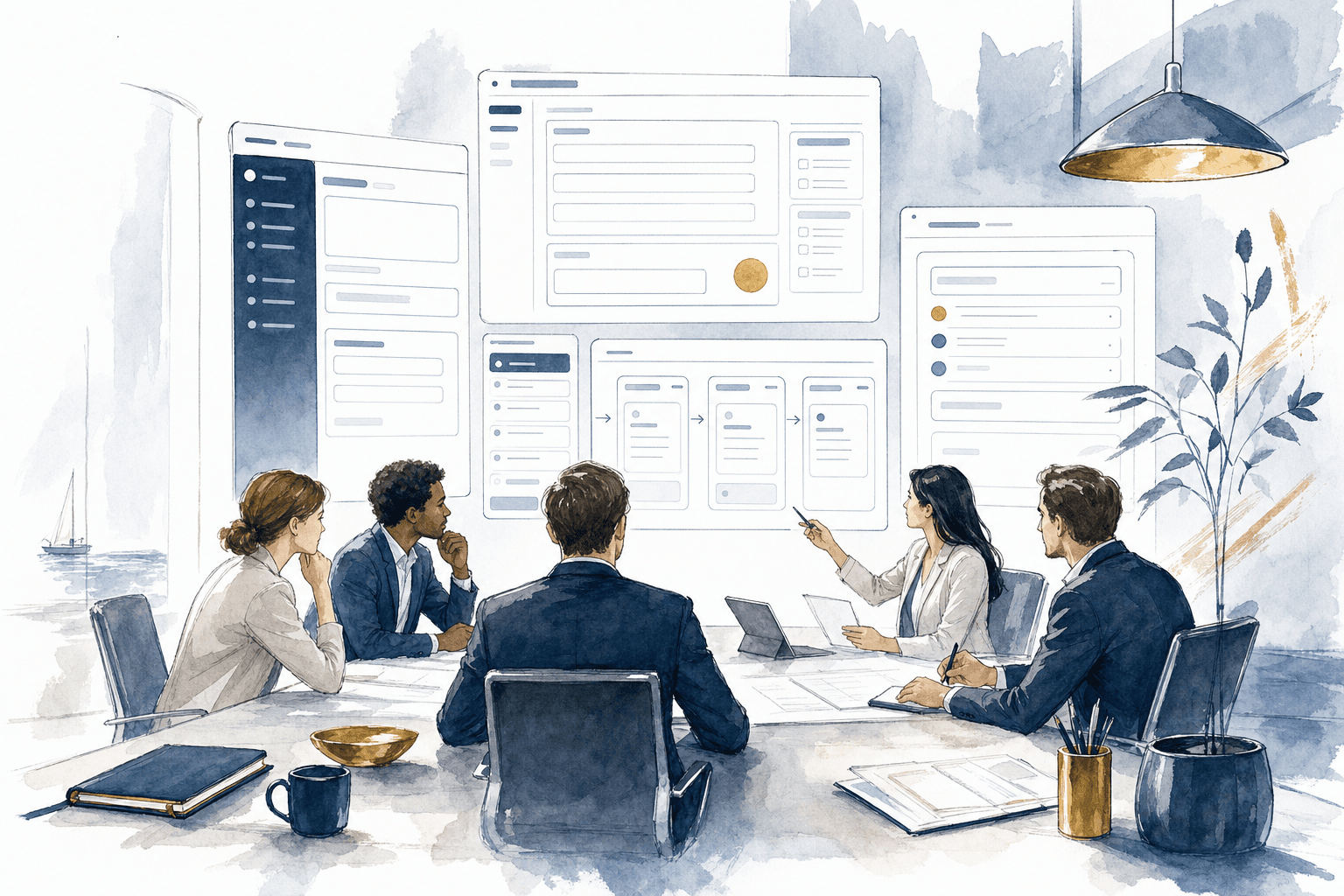
Software
Role-aware tools, forms, dashboards, and workflows built around repeated work.
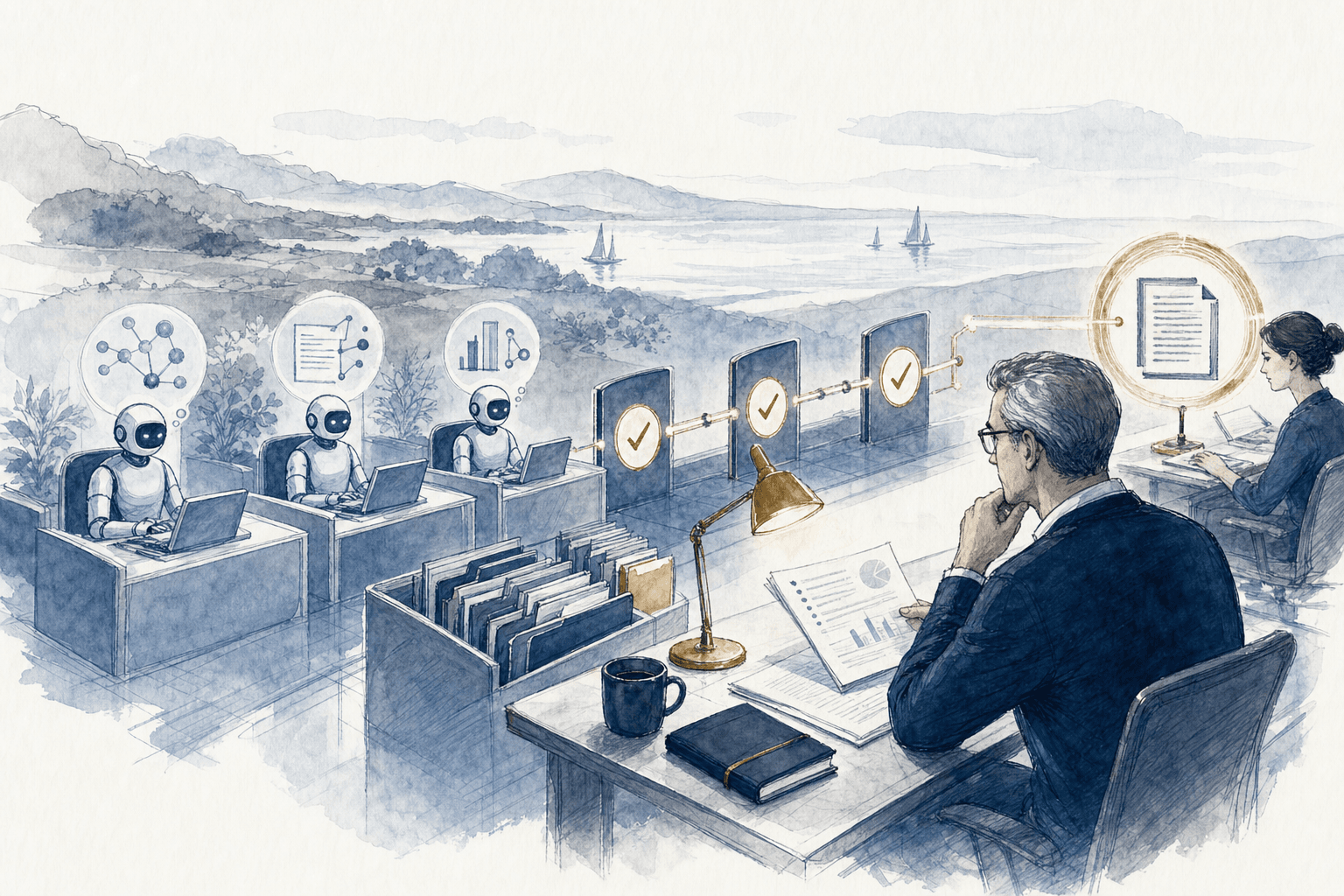
Agents
Agents with business context, approval gates, escalation rules, and test cases.
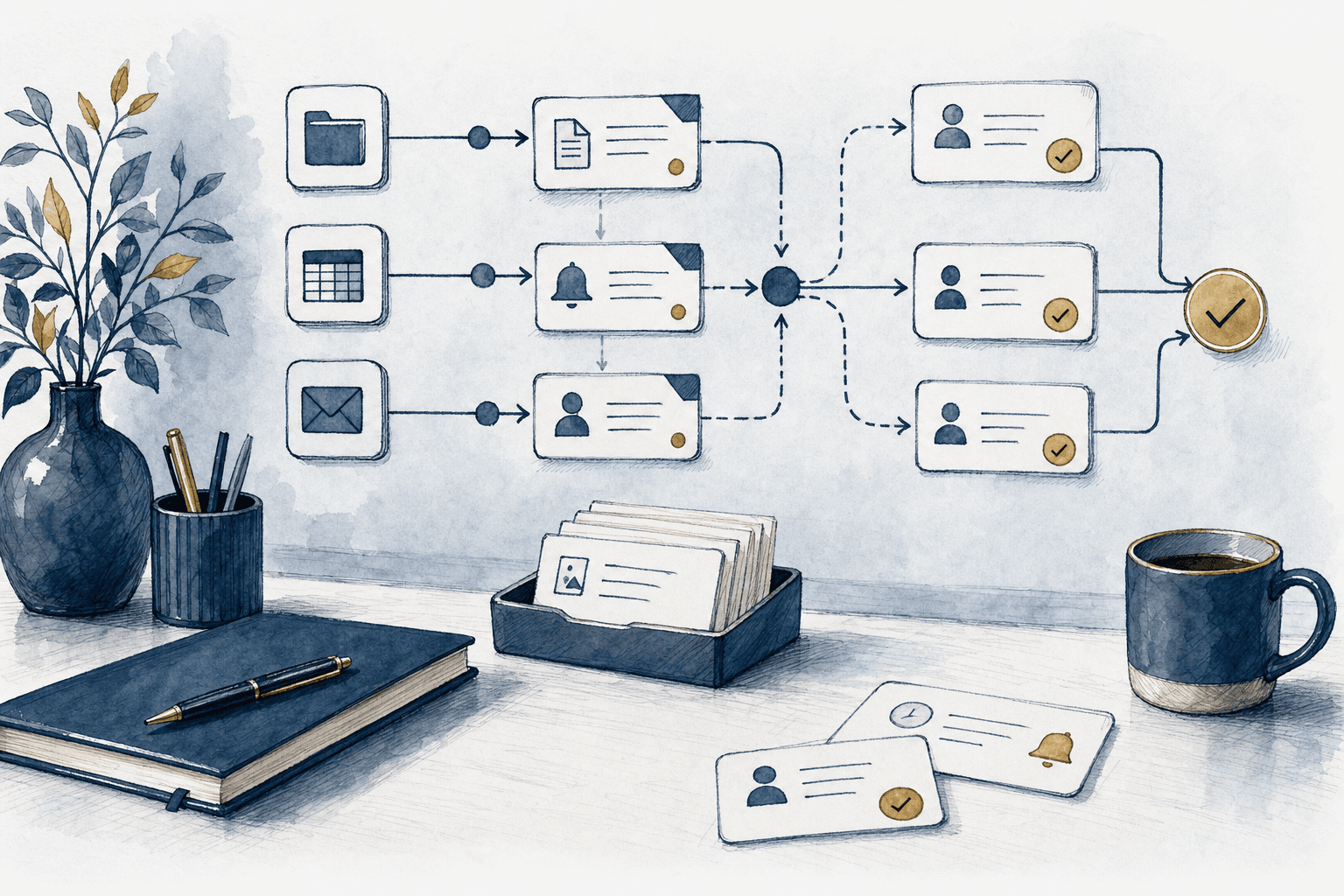
Workflow
Tool-to-tool automation for handoffs, updates, reminders, routing, and reporting.
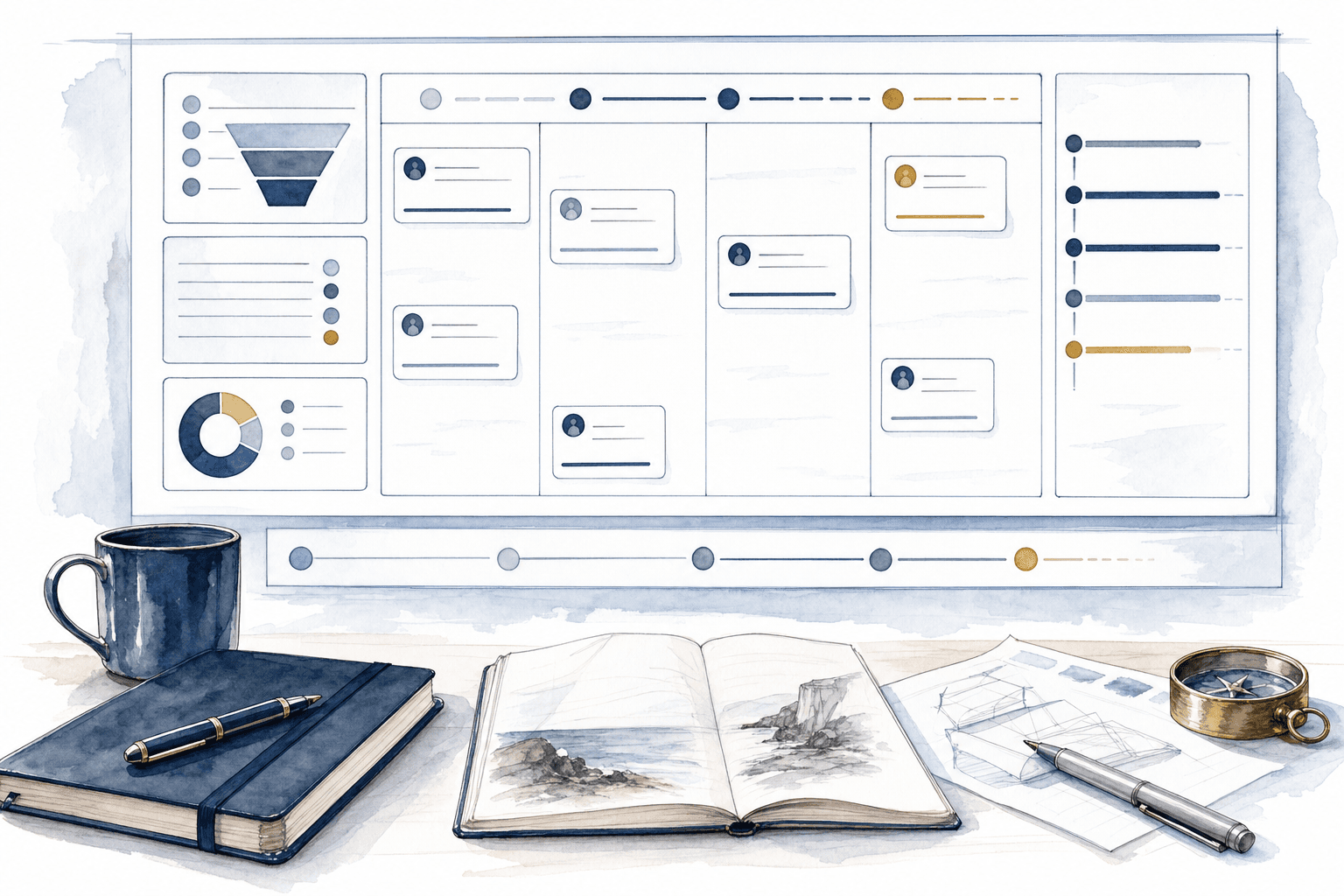
Dashboards
A clear view of pipeline, projects, accountable leads, timing, and operating handoffs.
Example engagement
Automation example
A service business is tracking leads, client requests, and follow-up across inboxes, spreadsheets, and memory. SilverShore maps the repeated handoff, defines the approval points, connects the intake source to a working dashboard, and adds AI-supported drafting with human review before anything goes out. The team keeps its stack, but the repeated work has a clearer path.
Questions this service answers
These are the practical questions this service is built to resolve before scope expands.
Question
The best first project has a repeated workflow, clear source data, a visible owner, known review points, and a measurable manual burden.
Question
No. The work is designed around the current stack first, using automation, dashboards, internal tools, and AI support where they fit the workflow.
Question
AI support is built with context, examples, approval gates, escalation rules, and test cases so judgment stays with the business.
Question
Start with the repeated handoff that creates the most drag, such as follow-up, reporting, approvals, intake, or status routing.
Question
The work begins with the current workflow, source context, decision rights, and review gates. Software, dashboards, agents, and automations are added only where the operating path is clear.
Process
The work stays scoped, visible, and tied to a practical business asset.
Process
We identify repeated workflows, approval points, tool context, and team ownership before recommending any automation.
Process
We create the software, agents, dashboards, and automations around your current stack so adoption stays realistic.
Process
We test against real examples before anything becomes the operating path, especially where judgment or approvals matter.
Process
We document ownership, escalation rules, and improvement loops so the system keeps getting more useful after launch.
Related service paths
These links connect the service page to the other commercial paths Google and buyers should understand together.

Pipeline operations
Connect automation to pipeline follow-up, lead qualification, reply routing, and reporting when the growth system needs less manual lift.

Decision support
Turn repeat research, competitor tracking, and market evidence into reusable workflows before expansion decisions are made.

Readiness operations
Use automation when readiness files, diligence requests, buyer follow-up, and owner transition tasks need better routing.
Route
If another service would create more immediate momentum, use the service index to choose the starting point that belongs first.
Less useful start
The engagement begins with a broad category before the useful output is clear.
Better start
The first asset is chosen because it helps the business make the next decision.
Related reading
These pages connect the service to adjacent decisions the team may need to make first.
Insight
Use the knowledge-system article to see where repeatable context reduces dependence on one person.
Insight
Use the research article to separate useful AI acceleration from shallow automation theater.
Operating system
See how workflow, approvals, reporting, and context can sit inside one operating layer.
Operating context
Every deliverable should make the next decision easier for the operator, prospect, buyer, investor, lender, advisor, leadership team, or portfolio team.
Core idea
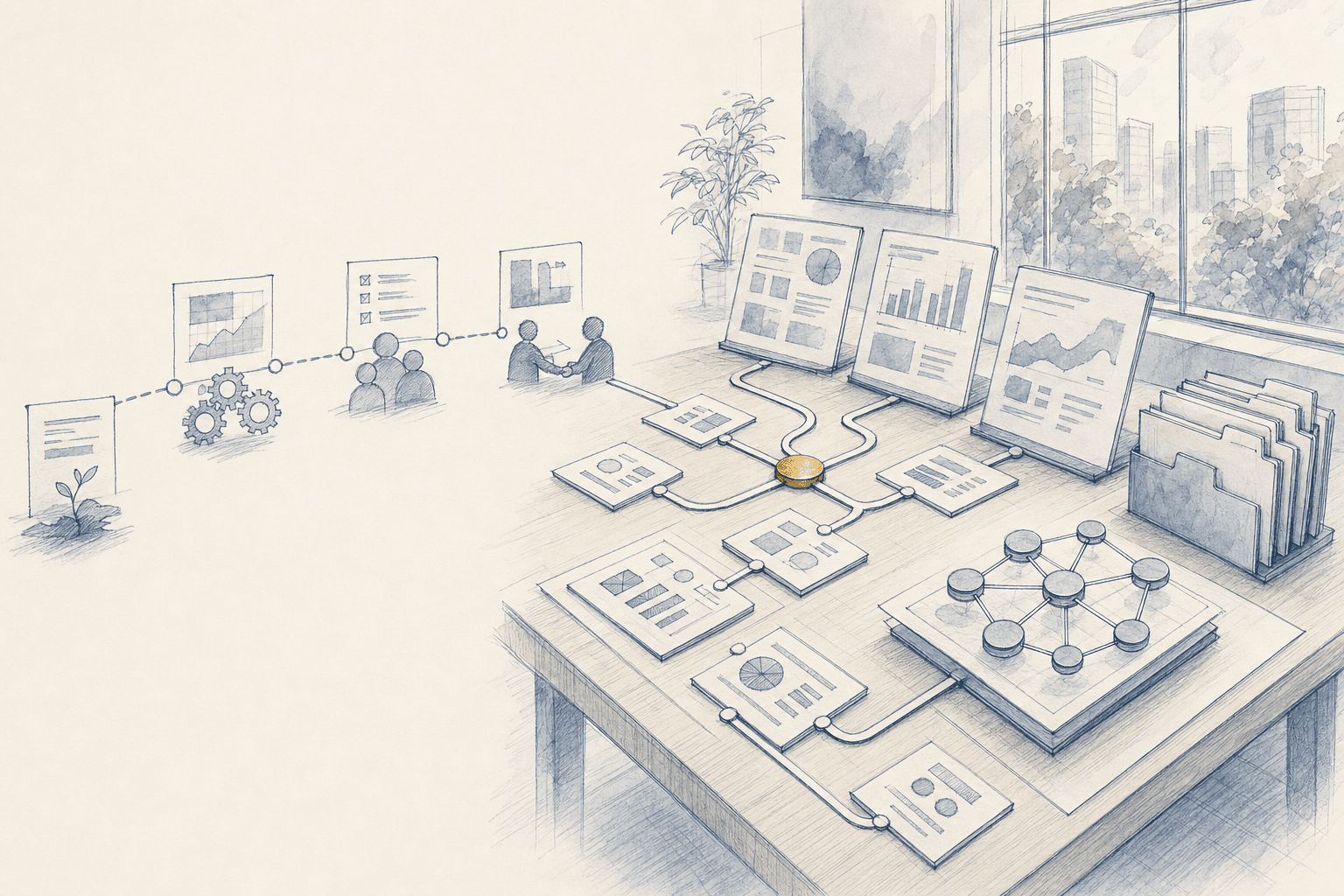
The systems that create qualified demand also make a company easier to evaluate: clear positioning, market clarity, pipeline visibility, follow-up, organized files, and smoother handoffs.
Operating layer
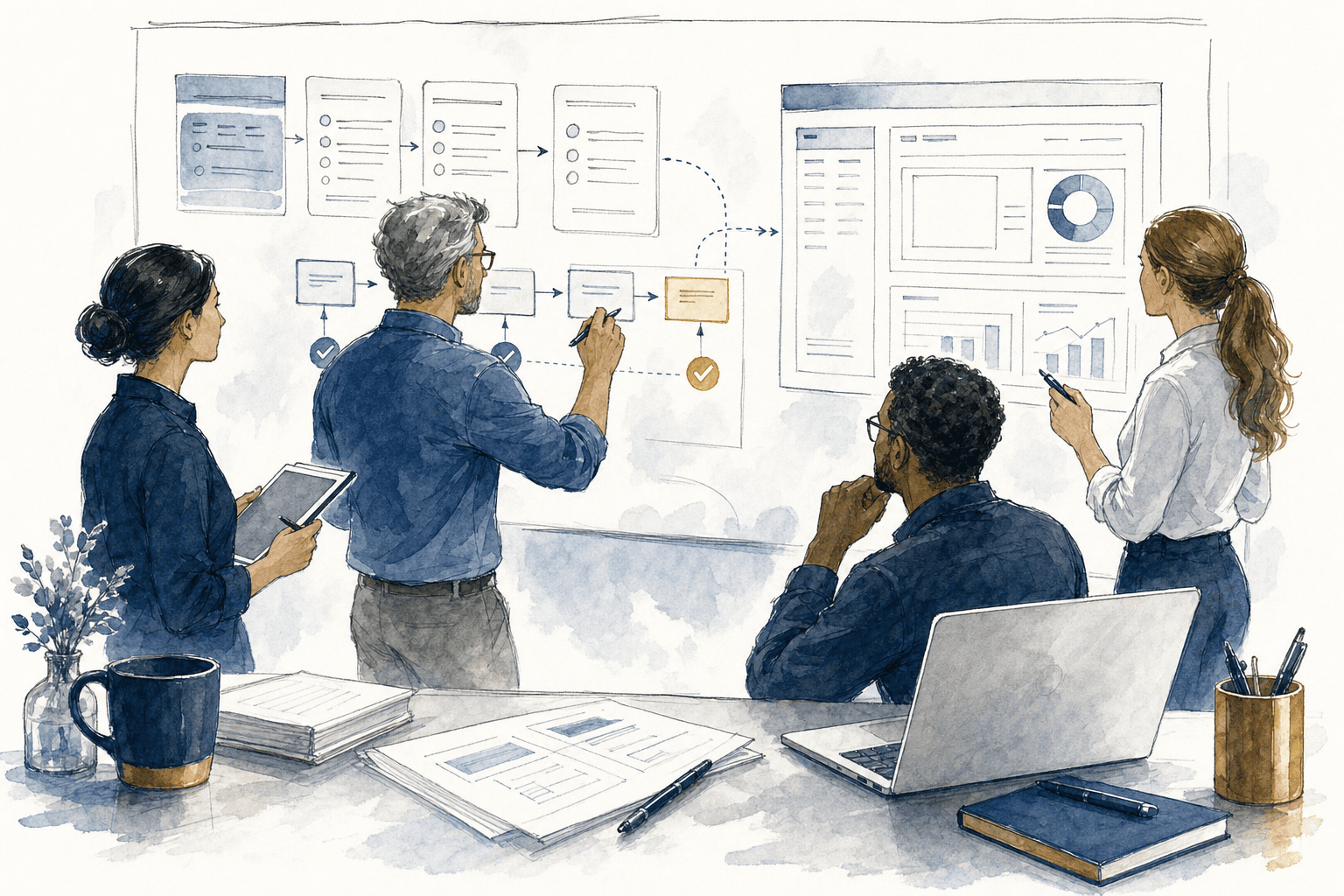
The AI Operating System keeps the right context attached to campaigns, research, materials, dashboards, and follow-up so the team does not keep rebuilding the same answer.
Next step
A discovery call will confirm whether automation is the right first step or whether market and pipeline should come first.