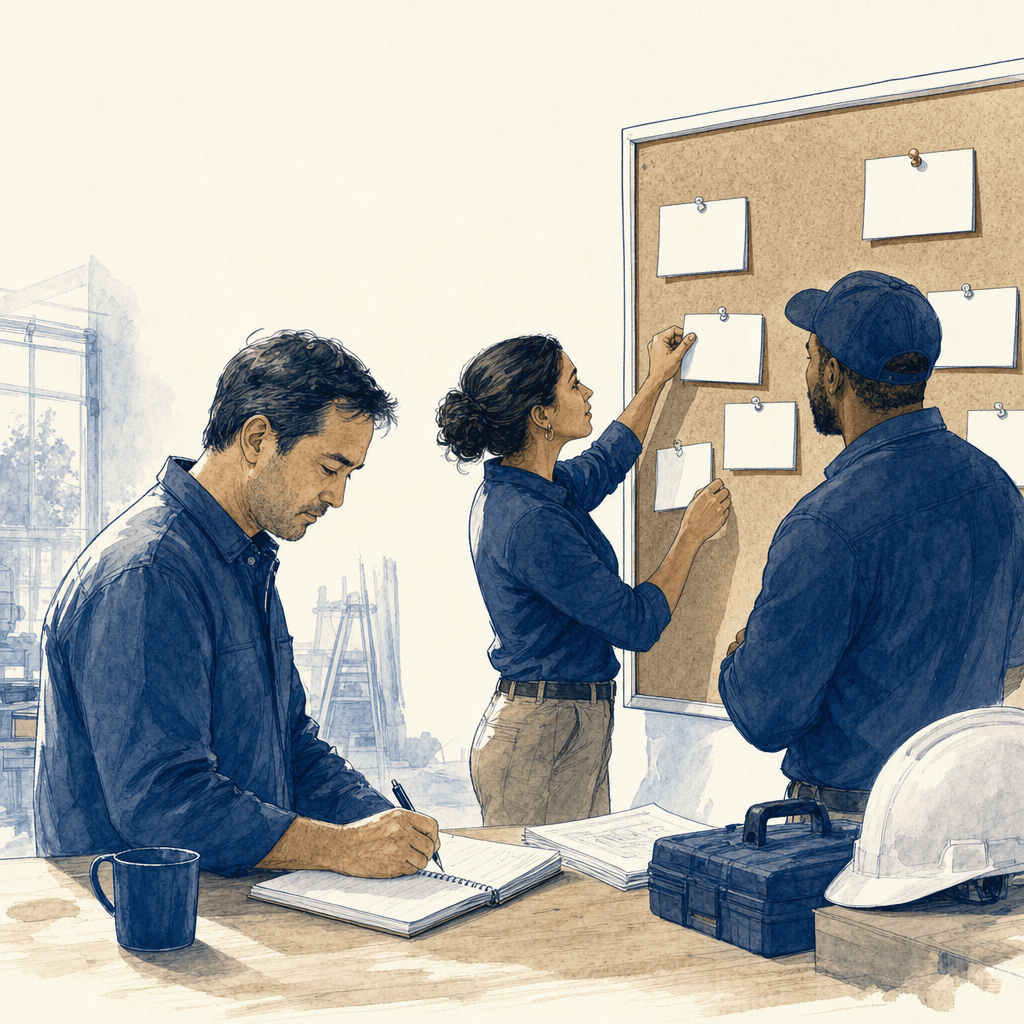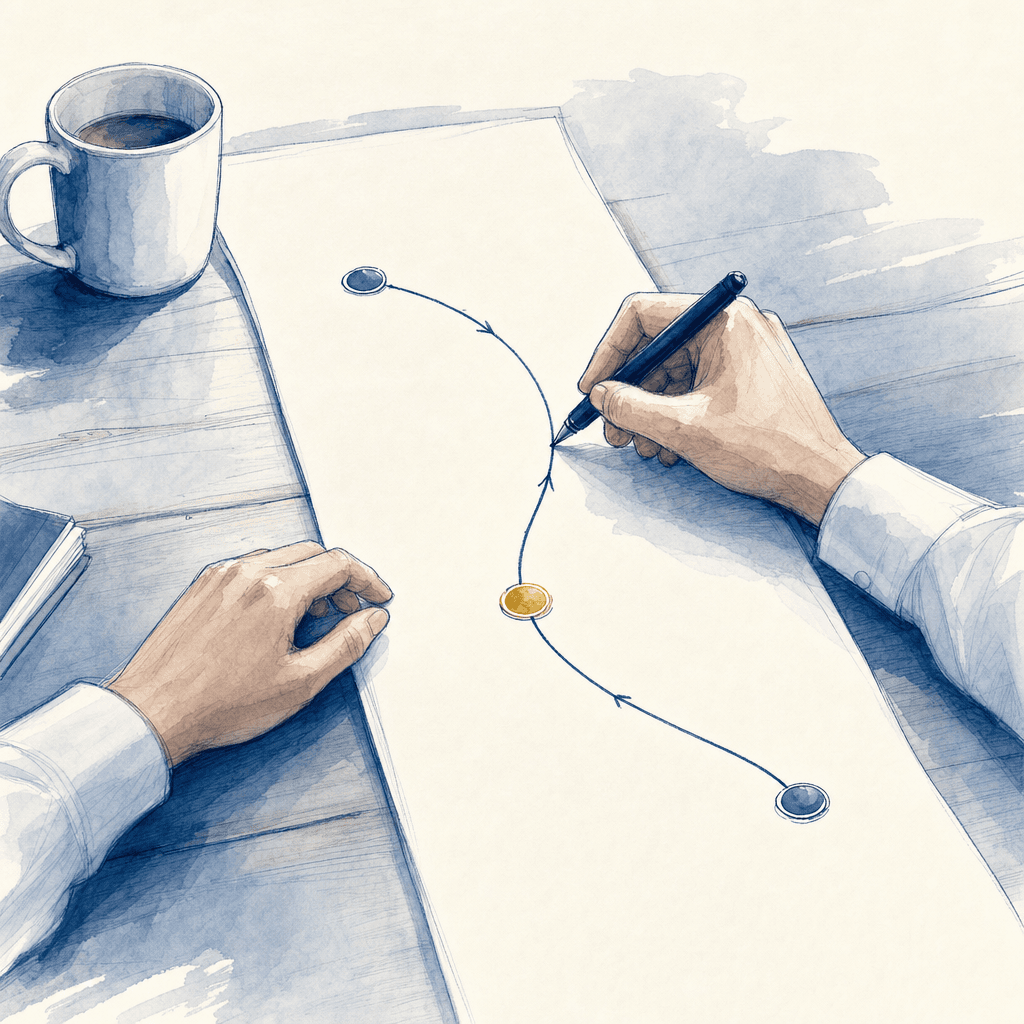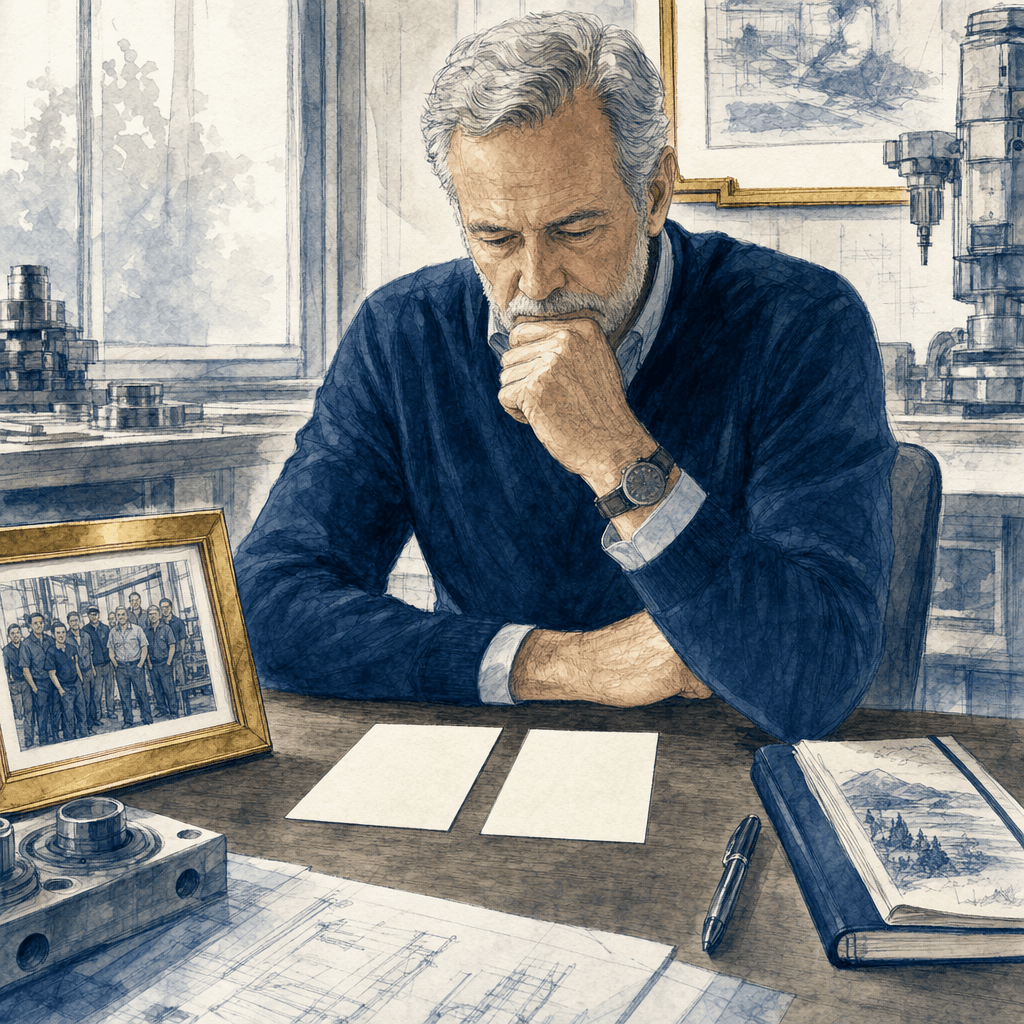
Every experienced business owner has accumulated knowledge that lives nowhere except their memory. Client preferences, process shortcuts, lessons learned, industry contacts. This information is valuable, but it is trapped. It cannot be searched, shared, or leveraged systematically.
The concept of a second brain, a trusted external system where you capture and organize information, has been around for years. What has changed is that AI now makes these systems dramatically more useful.
For a business, the second brain is not a productivity hobby. It is operational infrastructure. It helps the team answer recurring questions, reuse prior work, preserve institutional knowledge, onboard faster, and avoid rebuilding documents, decisions, and workflows from scratch every time a similar situation appears.
The useful version is not a giant archive. It is a searchable, shareable asset that makes good work easier to repeat.
Why Most Knowledge Management Fails
The typical pattern is familiar. You set up a system with good intentions, capture information diligently for a few weeks, then gradually stop using it because the effort of organization exceeds the benefit of retrieval. The system becomes a graveyard of information nobody can find.
The problem was always the gap between capture and retrieval. Information was easy enough to put in, but finding it later required remembering where you put it and how you categorized it.
Most systems also fail because they ask the team to change too much behavior at once. A new folder structure, new naming convention, new wiki, new tagging method, and new review habit all sound reasonable in isolation. Together, they become a second job.
The business does not need a perfect taxonomy on day one. It needs a small set of capture workflows tied to real operating questions: how do we serve this customer, how do we run this process, what did we decide, what worked last time, and what should the next person know before touching this account?
How AI Changes Knowledge Systems
AI powered knowledge systems solve the retrieval problem. Instead of needing to remember where information lives, you can ask questions in natural language. Instead of relying on your categorization scheme, AI can find relevant information across your entire knowledge base.
This changes the economics of capture. When you know you can find information later by simply asking for it, the effort of capturing becomes worthwhile. Quick notes, rough drafts, and partial thoughts all become valuable because they are all searchable.
AI does not remove the need for judgment. It changes where judgment belongs. The team still needs to decide what information is worth keeping, which sources are current, which answer is reliable, and when a person should review a response before it is used with a customer.
The best AI powered knowledge systems separate source material from synthesis. Meeting notes, project documents, SOPs, proposals, customer history, pricing notes, and decision logs remain source records. AI helps retrieve, compare, summarize, and draft from those records, but the source trail stays visible.
What a Business Should Capture
A practical second brain starts with high-reuse knowledge. Capture client context, project lessons, sales objections, proposal language, delivery checklists, process documentation, pricing decisions, vendor notes, internal policies, recurring questions, and examples of work the team wants to repeat.
The point is not to save every thought. The point is to save information that will reduce future work. If a note can help the next sales call, onboarding, renewal, delivery handoff, hiring decision, customer issue, or management review, it belongs in the system.
Decision records are especially valuable. Many businesses remember what was decided but lose why it was decided. A short note explaining the context, options, tradeoffs, owner, date, and next review point can prevent the team from reopening the same debate every quarter.
Building Your Business Second Brain
Effective second brain systems for business focus on the information that matters most. Client context, project learnings, process documentation, strategic thinking, and institutional knowledge. The goal is not to capture everything but to capture what you will need again.
The system needs to fit your workflow. If capture requires leaving your normal tools, it will not happen consistently. The best systems integrate with how you already work, making capture nearly effortless.
That usually means connecting the tools the team already uses: CRM records, meeting notes, shared drives, docs, spreadsheets, project boards, email templates, support notes, and internal SOPs. Workflow automation should move the right context into the right place without forcing someone to copy and paste after every interaction.
Structure still matters. Each record should have enough metadata to be useful: customer, project, process, owner, date, source, status, and whether the record is current. Without that light structure, AI can retrieve information but the team may not know whether to trust it.
Keeping the System Current
A second brain becomes less useful when stale information looks current. Old pricing, old customer preferences, outdated process steps, retired vendors, and superseded decisions can create more confusion than having no system at all.
The fix is a review rhythm. Critical SOPs need owners and review dates. Customer context should refresh after major calls or delivery milestones. Decision logs should mark what changed. Project retrospectives should identify which lessons are reusable and which were specific to one situation.
The system should also make uncertainty visible. A draft, a hypothesis, a confirmed decision, and an approved process should not all look the same. Status labels help people know whether they can act immediately or need review.
Where Automation Belongs
Automation belongs around the handoffs that people avoid. Meeting notes should become account context. Approved proposals should become reusable language. Completed projects should trigger a short retrospective. New SOP changes should notify the people who rely on that process. Customer questions should surface the most relevant prior answer before someone starts from a blank page.
The owner should not have to remember to maintain the system manually. The system should prompt capture at the moments when useful knowledge is created. That is where operating capacity appears. The team is not adding another admin chore. It is turning normal work into reusable context.
AI and automation implementation works best when it starts with one recurring workflow, proves that retrieval saves time, and then expands. A second brain grows through repeated usefulness, not through a giant migration project that nobody wants to maintain.
A simple starting workflow is enough. Capture the call note, attach it to the right account, summarize the decision, tag the reusable lesson, and make the answer searchable for the next person. If that saves the team even a few repeated questions each week, the habit starts paying for itself quickly.
From Personal Memory to Organizational Asset
A well built second brain does more than help you remember things. It reduces dependence on any single person, accelerates onboarding, and preserves institutional knowledge through transitions. These are the same qualities that increase enterprise value.
Useful knowledge management systems are part of operational infrastructure. They define capture workflows, fit the tools the team already uses, and turn organizational knowledge into a searchable, shareable asset instead of trapped expertise.
This is why the business case is stronger than personal productivity. The company becomes easier to run when answers are not trapped in one person's memory. The owner can delegate with more confidence. New hires learn faster. Customer handoffs improve. Recurring work becomes more consistent.
The practical starting point is one high-friction area. Choose sales handoffs, client onboarding, recurring delivery, internal SOPs, or management decisions. Build the capture habit there first. Once the team sees that the system saves time, expanding it becomes much easier.