
Website
The website should make trust easier
We improve page structure, language, visual rhythm, and credibility cues so prospects understand the business faster.
Brand development
For businesses that want the website, story, and sales materials to make the company easier to understand and trust.
Best first when better credibility would help the next conversation.

Fit check
The goal is simple: make the company easier to explain, easier to trust, and easier to sell.
Website
We improve page structure, language, visual rhythm, and credibility cues so prospects understand the business faster.
Materials
We turn decks, one-pagers, bios, and follow-ups into polished files the team can reuse.
Positioning
We simplify the customer, offer, outcome, and next step so the team can use the same language everywhere.
Trust fit
Brand development is strongest when the work is good, but the public presence, materials, and language are not making trust easy enough for buyers, referral partners, or prospects.
Search intent
The service turns scattered value, proof, and service language into a clearer story the team can repeat on the website, in sales materials, and in follow-up.
Search intent
Page structure, proof, visual rhythm, and calls to action are tightened so the business feels credible before the first conversation.
Search intent
One-pagers, decks, follow-up PDFs, and reusable copy give the team one coherent way to explain the company.
Search intent
A cleaner brand system makes pipeline, market intelligence, and sale-preparation work easier because the company story is already organized.
Deliverables
A clearer website, story, and sales-material system.

Identity
Practical logo files, colors, and visual standards your team can use without guessing.
Website
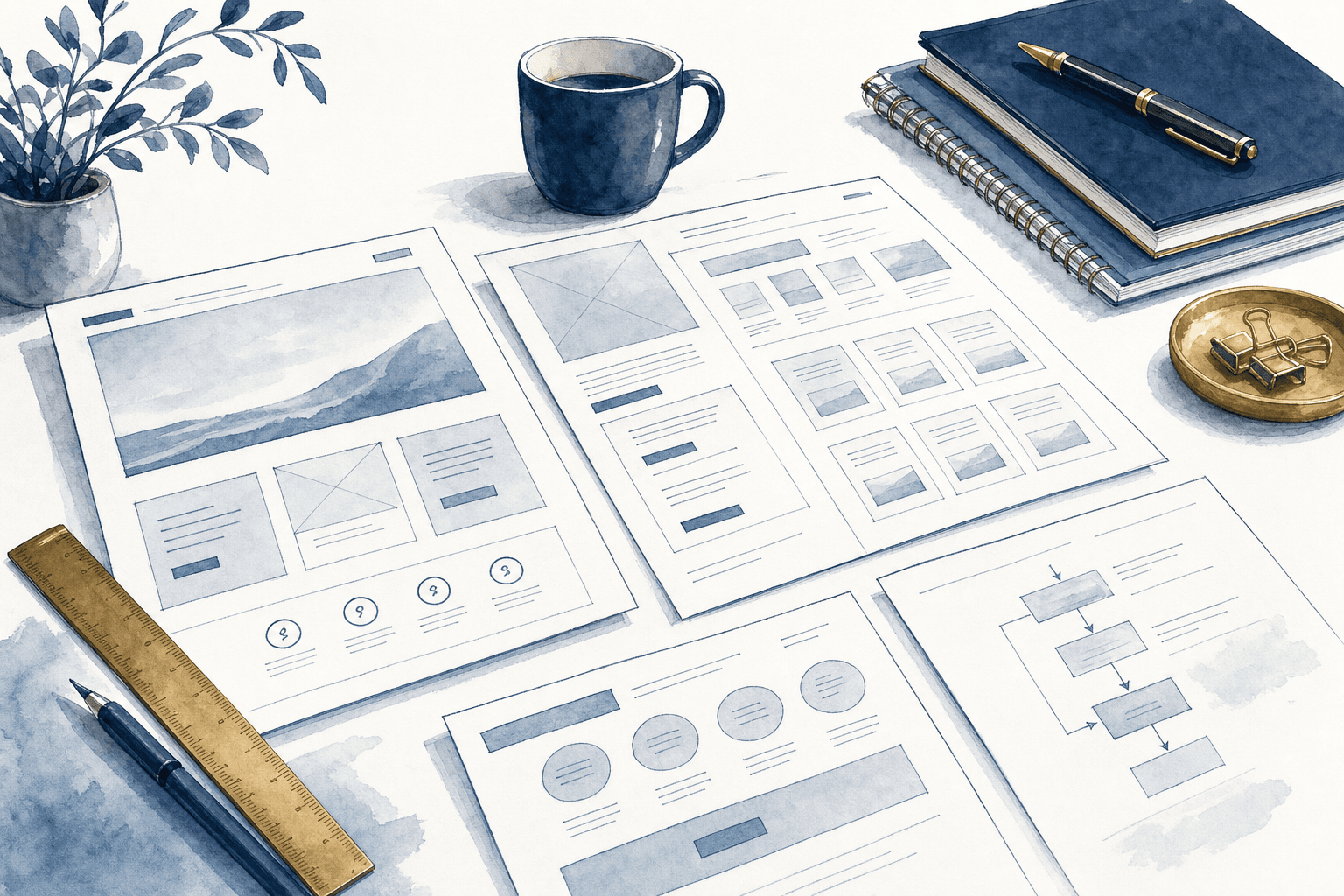
A site or page set that explains who you help, what you do, why it matters, and how to take the next step.

Collateral
One-pagers, decks, follow-up PDFs, and materials that make sales conversations easier.
Language
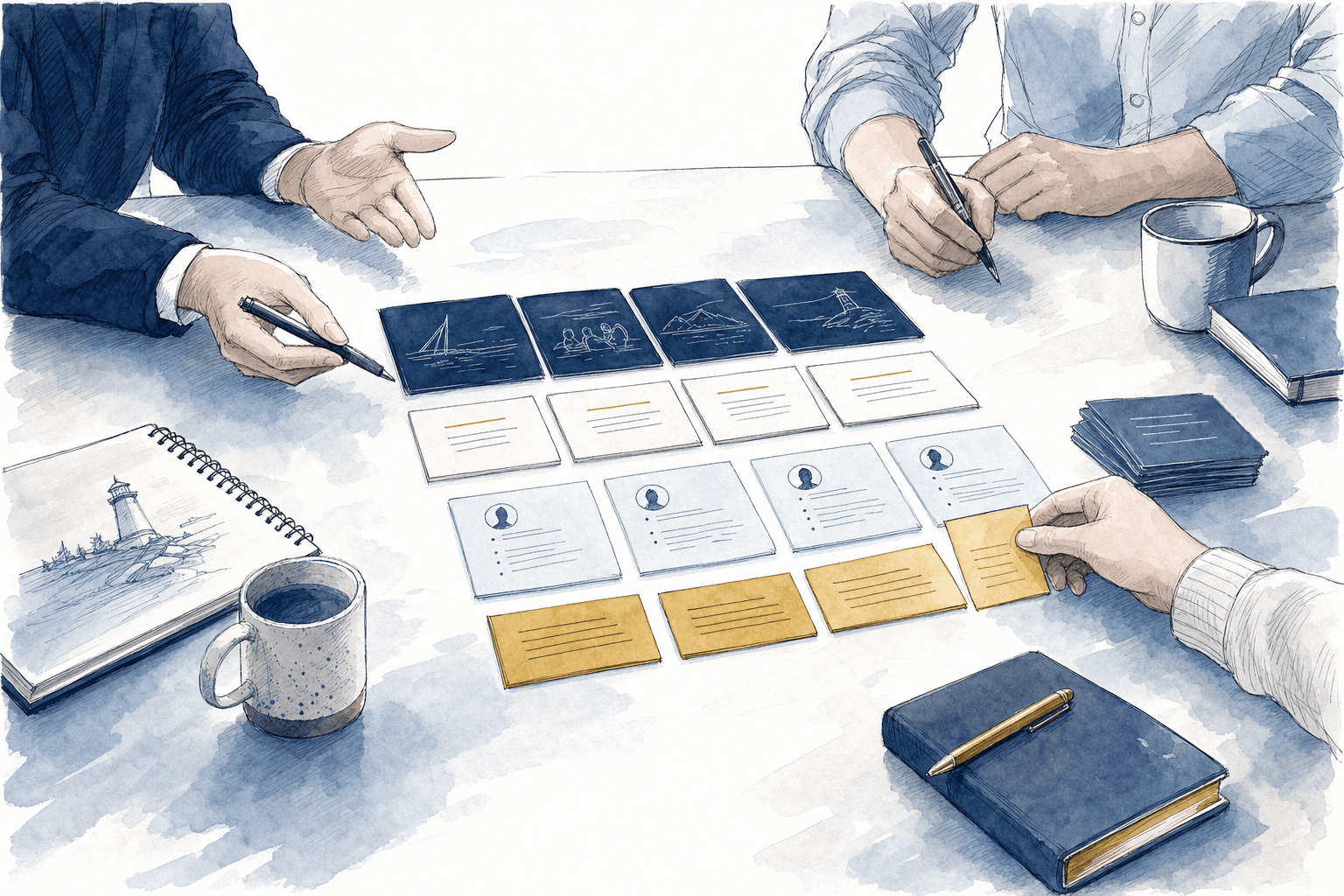
Plain-English messaging your team can use in calls, emails, pages, and sales materials.
Example engagement
Brand example
A business has strong client work, but the website, one-pager, and sales deck all explain the company differently. SilverShore clarifies the offer, rebuilds the page story, organizes proof, and creates reusable materials so referrals, prospects, and buyers see the same credible message before the next call.
Questions this service answers
These are the practical questions this service is built to resolve before scope expands.
Question
Start here when the website, offer language, sales materials, or proof do not make the business easy to understand and trust.
Question
Not always. The work is often a practical credibility sprint that clarifies the story, improves key pages, and creates reusable sales materials.
Question
Pipeline work performs better when the target buyer sees clear proof, plain language, and a credible next step before outreach or follow-up expands.
Question
The scope can include website pages, positioning language, visual identity cleanup, one-pagers, decks, follow-up PDFs, and practical usage rules.
Process
The work stays scoped, visible, and tied to a practical business asset.
Process
We review the current website, materials, sales path, and strongest trust signals.
Process
We define the simplest credible way to explain the company, then create the assets needed for sales, referrals, and future conversations.
Process
We install the page copy, files, and practical usage rules so the team can use the new presence in real conversations.
Process
We help keep the materials consistent as campaigns, referrals, and buyer conversations create new examples.
Related service paths
These links connect the service page to the other commercial paths Google and buyers should understand together.

Pipeline follow-through
Use pipeline work when the clearer story should become a repeatable path to qualified conversations.

Market proof
Use market intelligence when positioning should be grounded in customer, competitor, channel, and expansion evidence.

Transaction readiness
Use readiness work when the company story, materials, and proof need to support buyer or advisor conversations.
Route
If another service would create more immediate momentum, use the service index to choose the starting point that belongs first.
Less useful start
The engagement begins with a broad category before the useful output is clear.
Better start
The first asset is chosen because it helps the business make the next decision.
Related reading
These pages connect the service to adjacent decisions the team may need to make first.
Insight
Use the positioning article to connect brand work to sales quality, referrals, and buyer confidence.
Growth lane
Brand clarity compounds when the pipeline system has a sharper customer, message, and next step.
Market proof
Use market evidence to make positioning decisions more specific and easier for the team to defend.
Operating context
Every deliverable should make the next decision easier for the operator, prospect, buyer, investor, lender, advisor, leadership team, or portfolio team.
Core idea
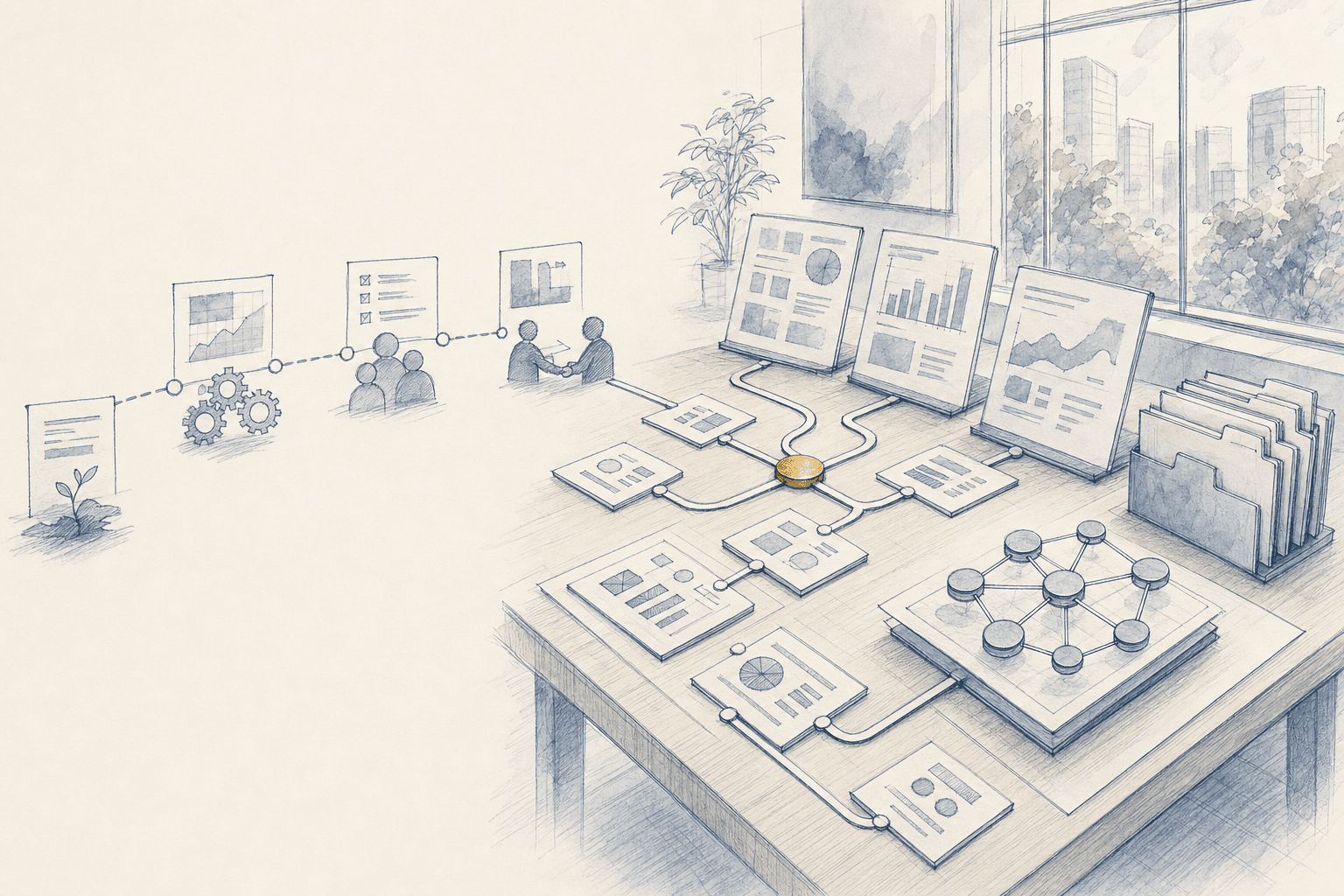
The systems that create qualified demand also make a company easier to evaluate: clear positioning, market clarity, pipeline visibility, follow-up, organized files, and smoother handoffs.
Operating layer
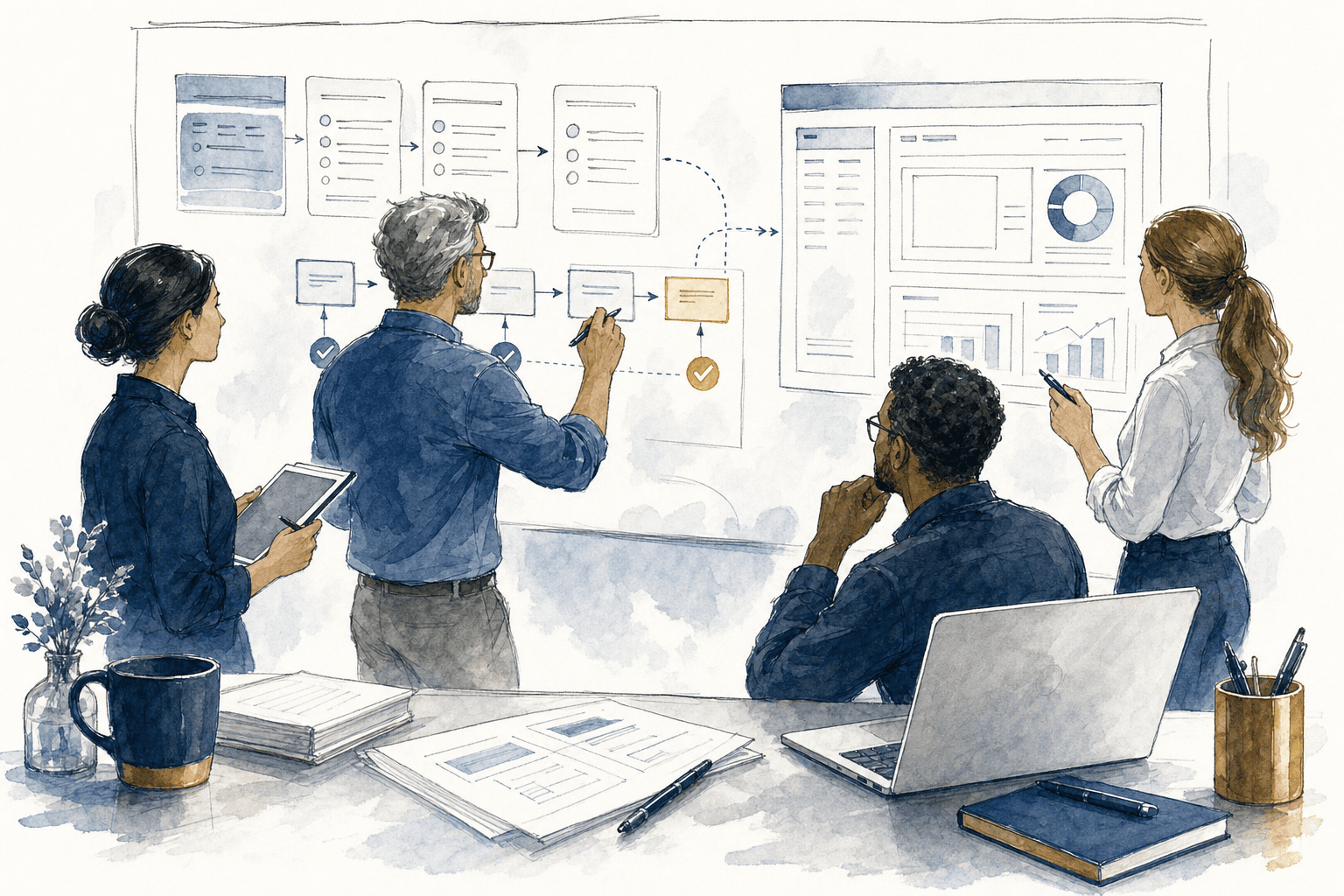
The AI Operating System keeps the right context attached to campaigns, research, materials, dashboards, and follow-up so the team does not keep rebuilding the same answer.
Next step
A discovery call will confirm whether brand work belongs first or whether market, pipeline, or automation would create the more useful first step.